Reading Time: 6 minutes | Who This Blog Is For: Seniors in Elkhorn and Omaha dealing with vertigo, and family members caring for loved ones struggling with balance problems and dizziness.
The room is spinning and you can't make it stop.
Maybe it happens when you roll over in bed. Or when you stand up too quickly. Sometimes it comes out of nowhere while you're just sitting in your chair. The world tilts, your stomach lurches, and you grab onto something—anything—to keep from falling.
If you're a senior dealing with this, you know the fear that comes with vertigo. The worry about falling. The hesitation before doing simple things like getting out of bed or reaching for something on a shelf. The loss of confidence in your own body.
If you're caring for a parent or loved one with vertigo, you've seen how it's changed their life. They're more cautious, more dependent, more afraid. They've stopped doing things they used to enjoy because they can't trust their balance anymore.
Either way, you want answers. What's causing this? Is it just part of getting older? Can anything actually help?
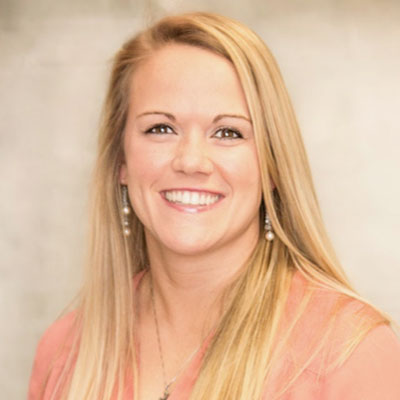
At Unity Wellness in Elkhorn, Dr. Danielle Stalp works with seniors from Elkhorn and Omaha who are dealing with vertigo and balance problems. She understands the impact this has on daily life and independence. More importantly, she knows that vertigo isn't something you just have to accept as normal aging.
Let's talk straight about what causes vertigo in seniors, why it happens, and what can actually be done about it.
Vertigo feels like the world is spinning or tilting when you know you're standing still. It's different from feeling lightheaded or weak. It's a specific sensation of movement that isn't really happening.
For seniors, several things can cause this feeling. Understanding which one applies to you or your loved one matters because different causes need different approaches.
The important thing to understand is this: some vertigo causes are just part of aging and need to be managed. Others are treatable problems that can actually be corrected. Knowing which one you're dealing with is the first step.
Most doctors treating vertigo focus on the inner ear. That makes sense because the vestibular system is there. But they often don't examine the upper cervical spine, and that's a gap that can leave people suffering unnecessarily.
The atlas—that first vertebra at the base of your skull—is positioned right next to your inner ear structures. It's also where major nerves exit your spinal cord, where blood vessels travel to your brain, and where your brainstem sits processing balance information.
When the atlas is misaligned, several things happen that can cause or worsen balance problems in elderly patients.
Your inner ear and your upper neck both send signals to your brain about where your head is in space. Your brain uses this information to maintain balance. When the atlas is misaligned, the signals from your neck don't match what your inner ear is reporting. This mismatch confuses your brain and can create vertigo.
Blood flow to your inner ear and brainstem can be affected when the atlas shifts out of position. The vertebral arteries that supply blood to these crucial areas pass right through openings in your upper cervical vertebrae. Misalignment can restrict this blood flow, and reduced blood supply to your vestibular system can cause vertigo symptoms.
Your brainstem sits right where your skull meets your spine. It processes all the balance information coming from your eyes, inner ear, and body. When the atlas is misaligned, it can affect how your brainstem functions, potentially making you more susceptible to vertigo.
Here's what often happens with seniors: you might have had a car accident, a fall, or some other injury years ago. Maybe decades ago. At the time, you recovered and moved on. But the atlas stayed slightly misaligned. Your body compensated well for years. But as you aged, as muscles weakened and tissues changed, that old misalignment became more problematic. The vertigo you're experiencing now might actually be connected to something that happened long ago.
This is why upper cervical evaluation matters for senior vertigo causes. It examines a factor that other healthcare providers typically don't assess.

NUCCA is a specific technique that focuses on the atlas and its alignment. For seniors dealing with vertigo, several things about NUCCA make it particularly appropriate.
The technique is extremely gentle. Dr. Danielle Stalp uses precise measurements from specialized imaging to see exactly how your atlas is positioned. The correction is based on those measurements—specific to your body, not a generic adjustment.
The actual correction uses light pressure applied in a very specific direction. Most people are surprised by how gentle it is. If you're worried about someone adjusting your neck, especially as you've gotten older and feel more fragile, the gentleness of NUCCA addresses those concerns.
This specific chiropractic technique focuses on one thing: getting your atlas into proper alignment so your nervous system can function the way it's designed to. When the atlas moves into correct position, several things become possible.
The conflicting signals between your inner ear and your neck can resolve. When both systems are sending accurate information to your brain, the confusion that creates vertigo can diminish.
Blood flow to your inner ear and brainstem can improve. When the vertebral arteries aren't being affected by misalignment, your vestibular system gets the blood supply it needs to function properly.
Your brainstem can process balance information more effectively without mechanical stress affecting it.
This doesn't mean NUCCA fixes every type of vertigo. If your vertigo is purely from BPPV with loose crystals, specific repositioning maneuvers might be needed. If it's from medication side effects, adjusting medications with your doctor is important. If it's from cardiovascular problems, those need medical management.
But when upper cervical misalignment is part of the problem—and for many seniors with vertigo it is—addressing that alignment through NUCCA care can make a real difference.
If you're considering evaluation for vertigo, or if you're helping a parent or loved one explore options, knowing what happens at Unity Wellness helps you feel comfortable taking that step.
Dr. Danielle Stalp starts with conversation. She wants to understand when the vertigo started, what it feels like, what triggers it, what makes it better or worse, what treatments have been tried, and what injuries or accidents have happened over the years. For seniors, this history is especially important because current symptoms often connect to past events.
The examination is thorough but gentle. Dr. Stalp assesses how your head sits on your neck, checks your posture, evaluates range of motion, and looks at how your upper cervical spine is functioning. Everything is done with respect for your comfort and any physical limitations you might have.
When appropriate, specialized X-rays show exactly how your atlas is positioned. These images provide concrete information about whether misalignment is present and how significant it is.
Dr. Stalp explains everything clearly. If upper cervical misalignment is found, she'll show you the imaging and discuss how it might be contributing to your vertigo. If she doesn't think NUCCA is the right approach for your situation, she'll tell you that honestly and help you understand what would be more appropriate.
If you proceed with care, the NUCCA corrections are gentle and specific to your body. Many seniors express relief at how comfortable the process is compared to what they worried it might be.
Unity Wellness serves both Elkhorn and Omaha communities. The office is located in Elkhorn, making it accessible for residents throughout the area. Dr. Stalp understands the specific needs and concerns of senior patients and adapts her approach accordingly.
Vertigo steals too much. It steals confidence, independence, and peace of mind. It makes simple activities feel dangerous. It creates fear and hesitation where there used to be ease and certainty.
If you're a senior dealing with this, you might have been told it's just part of getting older. That you need to be more careful, move more slowly, accept the limitations. While being safe and careful is important, accepting vertigo as unchangeable isn't always necessary.
If you're caring for someone with vertigo, you've watched them become smaller in their world. More cautious, more dependent, more afraid. You want to help them regain some of what they've lost.
When upper cervical misalignment is contributing to vertigo—and it often is, especially for seniors who've had past injuries or accidents—addressing that alignment can help. Not by magic, but by correcting a structural problem that's been affecting vestibular function.
At Unity Wellness in Elkhorn, Dr. Danielle Stalp offers thorough evaluation to determine whether your vertigo or your loved one's balance problems have an upper cervical component. She provides gentle NUCCA care appropriate for seniors. She serves patients from both Elkhorn and Omaha with the understanding and respect that senior patients deserve.
This isn't about promising that vertigo will completely disappear. It's about determining whether a correctable structural factor is contributing to the problem and addressing it if it is.
You deserve answers. You deserve to know if something can actually help rather than just accepting that this is how life will be now.
If you're dealing with vertigo in seniors—whether it's your own struggle or watching someone you love deal with it—get evaluated. Find out if upper cervical misalignment is part of the problem. Give yourself or your loved one the chance to improve rather than just accepting limitation.
Call Unity Wellness in Elkhorn to schedule a consultation with Dr. Danielle Stalp. Serving seniors in Elkhorn and Omaha who deserve better answers and real solutions for vertigo.

Is vertigo normal as you get older or does it mean something is wrong?
Some changes in balance are normal with aging, but vertigo—where the room spins or tilts—isn't something you should just accept as inevitable. While the vestibular system in your inner ear can degenerate somewhat with age, significant vertigo usually indicates a specific problem that can be addressed.
Common senior vertigo causes include BPPV (loose crystals in the inner ear), medication side effects, reduced blood flow, inner ear problems, or upper cervical misalignment. At Unity Wellness in Elkhorn, Dr. Danielle Stalp evaluates which factors are contributing to your vertigo. Some causes like BPPV or upper cervical misalignment are very treatable. Others like medication side effects can be managed by working with your doctor. The key is getting proper evaluation to understand what's causing your specific symptoms rather than dismissing them as just part of getting older.
How can the neck cause vertigo when the problem feels like it's in my head or ears?
Your balance system relies on information from three sources: your eyes, your inner ear, and sensors in your neck that tell your brain where your head is positioned.
When the atlas—the first bone in your spine—is misaligned, it affects balance in several ways:
This is why evaluation by a NUCCA chiropractor in Elkhorn like Dr. Stalp, matters—it examines a structural factor that other providers typically don't assess.
Is NUCCA safe for seniors or could it make vertigo worse?
NUCCA is very safe for seniors and is actually one of the gentlest approaches to chiropractic care. Dr. Danielle Stalp uses precise imaging to see exactly how your atlas is positioned, then applies very light pressure in a specific direction to correct the misalignment.
How long does it take before vertigo improves with NUCCA care?
Response time varies based on what's causing your vertigo, how long you've had it, and how your body responds to corrections. Some seniors notice improvement within a few weeks as their atlas begins holding better alignment and vestibular function improves. Others need several months of consistent care, particularly if misalignment has been present for many years.
Generally, if your vertigo is significantly related to upper cervical misalignment, you might first notice that episodes are less severe or less frequent even if they still occur. As care continues and your spine stabilizes, improvement typically continues.
At Unity Wellness, our team monitors your progress at each visit and adjusts the care plan based on how you're responding. Dr. Stalp is also honest about realistic expectations for your specific situation. For some seniors, vertigo improves dramatically. For others, it's one piece of a larger management strategy that includes other treatments as well.
What if NUCCA doesn't help my vertigo—are there other options?
Not all vertigo stems from upper cervical misalignment, so it's important to have realistic expectations and honest communication. If Dr. Danielle Stalp evaluates you and doesn't find significant atlas misalignment, she'll tell you that and help you understand what other approaches might be more appropriate.
Will I need ongoing treatment forever once I start NUCCA care?
Initially, you'll need regular visits while your atlas is being corrected and learning to stay in proper position, especially if misalignment has been present for years. As your spine stabilizes and vertigo improves, visits become less frequent.
Some seniors eventually just come in periodically for maintenance, particularly if they're very active or have conditions that put stress on the upper cervical spine. Others find that once they're corrected and stable, they don't need regular ongoing care unless symptoms return.
Does Unity Wellness help patients from Omaha or just Elkhorn?
Unity Wellness is located in Elkhorn and serves patients from throughout the area, including Omaha. Many patients travel from Omaha to see Dr. Danielle Stalp because of her specialized NUCCA training and experience with vertigo treatment in Omaha and the surrounding communities. The practice welcomes seniors from both Elkhorn and Omaha, understanding that finding qualified NUCCA care is important enough that the drive is worthwhile for many people.
If you're in Omaha dealing with vertigo and wondering whether it's worth traveling to Elkhorn for evaluation, consider that NUCCA practitioners are relatively rare and having someone specifically trained in this gentle, precise technique can make a significant difference in outcomes. The office can provide directions and help with any questions about accessibility or scheduling that would make the visit easier for you or your loved one.
To schedule a consultation with Dr. Danielle Stalp, call our Elkhorn office (402) 275-5613. You can also click the button below.

If you are outside of the local area, you can find an Upper Cervical Doctor near you at www.uppercervicalawareness.com.
Break free from pain, so you can get back to doing the things you love.
Enjoy a brighter future, and be healthier than you ever thought possible!



Monday
12pm - 5 pm
Tuesday
by appointment
Wednesday
9:30am - 2:30pm
Thursday
Closed
Friday
10:30am - 4:30pm
Saturday & Sunday
Closed